

Teacher Tested.
Teacher Approved.
Educators Endorse Kagan.
Across the country, teachers are bringing Kagan Cooperative Learning into their classrooms and watching quiet students find their voice, restless classrooms find their focus, and test scores climb. These are their stories, in their own words, organized by grade band from kindergarten through high school.
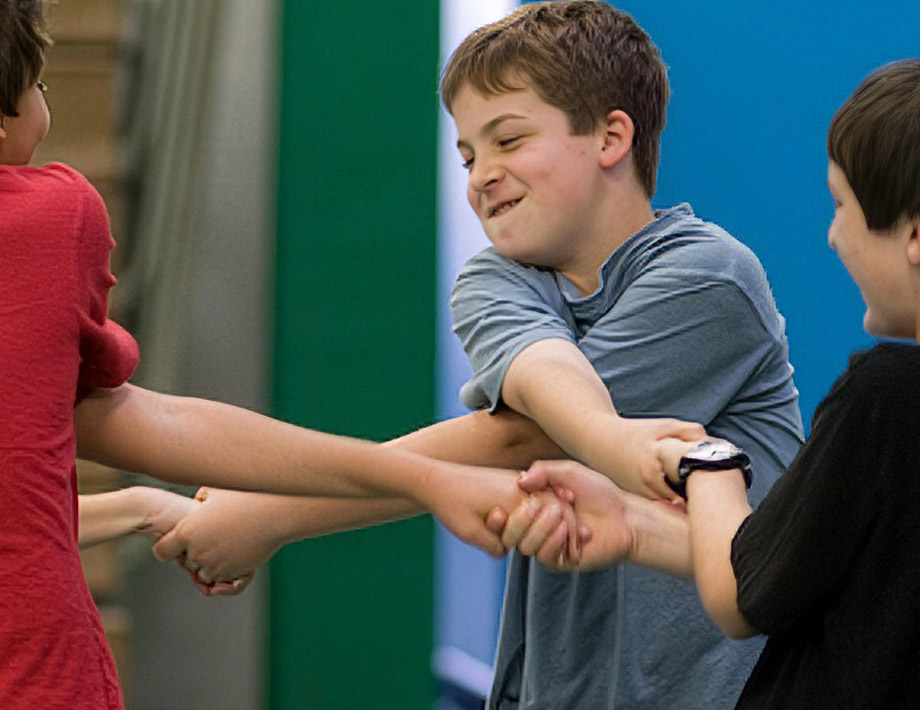
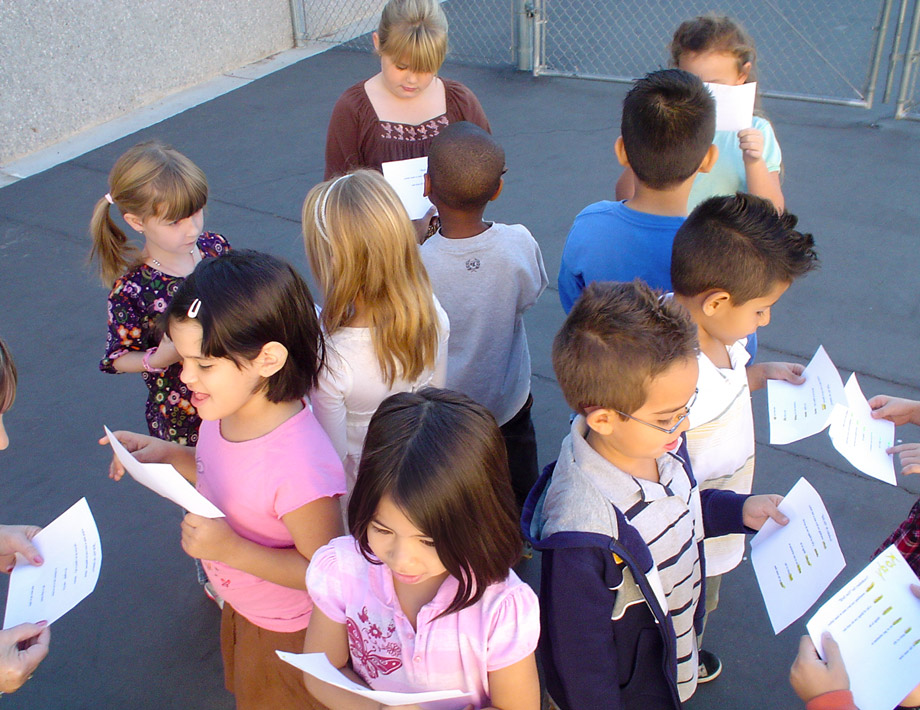
Since learning about Kagan, my students have loved becoming more involved and accountable for their learning. I love seeing how excited they are when I say we are going to do “StandUp-HandUp-PairUp” or “RoundTable.” It has taken the most chatty, wild-and-crazy of classrooms and turned them into organized and focused chaos. It’s amazing watching the kids talk about what they should be talking about, just because of a few strategies I learned. It’s magic, haha. From first to sixth grade, it has worked for all the kiddos I have taught so far.
After going to a one-day Kagan strategy professional development, I was so inspired. I immediately took the strategies I learned and brought them back to my classroom. My students have loved the conversations they get to have, and they even ask for certain strategies throughout the day. Their favorite is Timed PairShare—they love getting their own speaking time. I would be honored to attend the summer program and implement even more new strategies.
I am seeing my kindergarteners express themselves much more in class. By talking to each other so much more, they are learning from one another and the shy and reserved ones are included in discussions. My classroom relationships are getting stronger as I’ve been facilitating teambuilding twice a week and classbuilding at least once. I love that I’ve shifted ownership to my students—I’m doing less traditionally and involving my scholars more.
I attended a conference where a cooperative learning workshop was offered. I’d never heard of Kagan, but I fell in love immediately. The strategies were so engaging and easy to implement. My teaching partner attended with me so we started implementing ideas as soon as we returned. First, I redid my groupings so there was a variety of academic strengths and gave students structures to engage with their partners. My class buzzed happily as productive conversations started with RallyRobins, Timed PairShares, and RoundRobins. I felt like I was finally the teacher I always wanted to be.
Upon completing Kagan Professional Development, I’ve initiated the integration of Kagan Structures into my daily teaching practice, witnessing remarkable improvements in student engagement and collaborative skills. Initially, I introduced simpler structures like Timed PairShare and RallyRobin to establish a foundation of cooperative learning in my classroom. This gradual introduction allowed students to adapt comfortably to a more interactive environment, fostering belonging and mutual respect.
I’ve not only enhanced my students’ educational experiences but also embarked on a fulfilling journey of professional growth and leadership in educational innovation. The positive feedback from students, parents, and fellow educators reinforces my belief in the power of Kagan Structures to transform teaching and learning.
Elementary
Grades 3 through 5
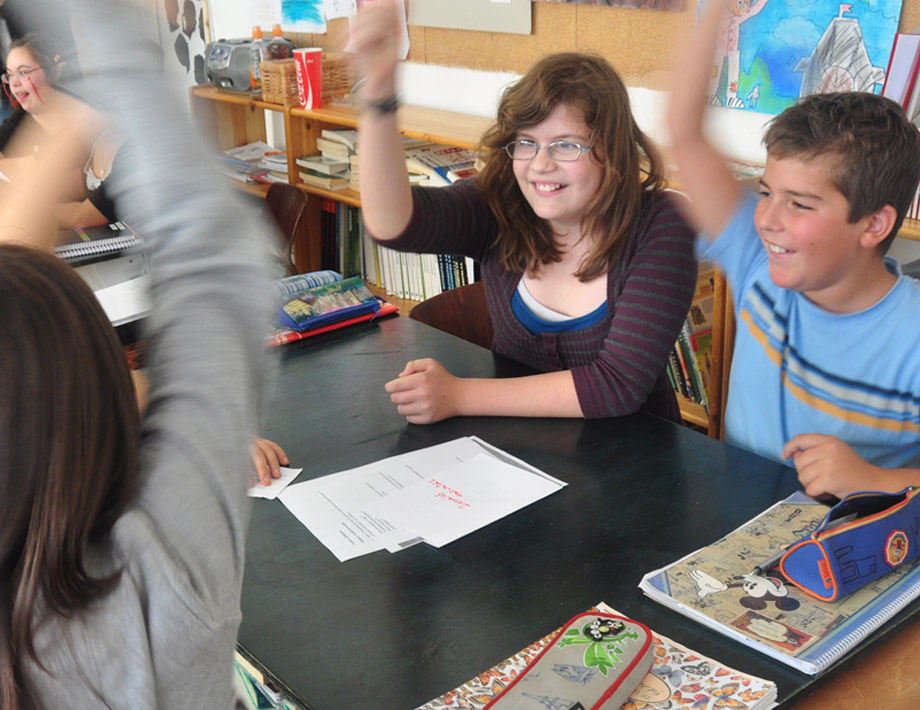
I was awarded the Presidential Award of Excellence in Science and Mathematics Teaching in 2022. I think I stood out as a candidate because of the Kagan Structures that were in place and evident in my class. I live and breathe this stuff in my classroom—I continuously look for ways to make content collaborative because that’s what gets me excited about going to school every day. Kagan strategies put the spark in my students’ eyes.
The structures I learned from the Kagan Cooperative Learning workshop have been a game changer for this fairly new teacher (4 years). While I’ve had great mentors and some opportunity to observe other teachers, nothing has benefited me more than the hands-on training I received at Kagan Winter Academy last year. The structures have increased total student engagement.
In the last year, since attending the 2023 Kagan Winter Academy, I have completely transformed the way I teach. I am no longer the traditional “raise hand and call on one” teacher. I love watching my students work together not only to find the answer, but to coach their peers who might still not understand. There’s only one of me, so having my students coach each other has been a huge benefit.
Kagan brings all my students out of their shell. Getting to know their classmates through Goofy Games, and getting the chance to work with different classmates through the strategies, has allowed my students to feel comfortable with one another. The students who barely spoke in August are now some of the most confident students in my class.
Since the conference in February, I have implemented a few different strategies such as Quiz-Quiz-Trade and RallyRobin, and I can see how much more engaged my students are. Students who wouldn’t normally have a chance to participate in a traditional classroom are now excited to participate with their partner or table and don’t feel as shy. I plan to implement Kagan in my teaching for years to come.
My students talk and solve—without me. I have witnessed students explaining concepts to each other, and understanding taking place in the process. The main comment I hear is, “Class is over? Man, that went fast.” We all know that fun doesn’t seem to last long enough.
Integration of Kagan methodologies has encouraged collaboration among educators. We share successful practices, resources, and lesson ideas, enhancing student learning experiences across various subjects and grade levels.
I am a proud product of Kagan Cooperative Learning. My earliest memory of learning with Kagan Structures was in Mrs. Fluke’s first grade classroom—I distinctly remember the anticipation building as Aretha Franklin belted through the boombox speakers, cueing my classmates and me to mingle around the room in search of our next Mix-Pair-Share partner. Throughout my academic career, my teachers’ expertise combined with Kagan’s brain-friendly strategies solidified my love for learning, fostered a strong sense of belonging, and ultimately inspired me to pursue a career in public education.
Kagan has revolutionized what student engagement, community-building, and social-emotional learning look like in my classroom. This school year I purchased the 4th grade Balanced Literacy book, and it has transformed the way I teach vocabulary and text structure while using structures to reinforce understanding. Most importantly, learning about PIES has deepened my understanding of what cooperative learning truly is and why it’s worth investing our time and energy in as educators.
I used Simultaneous RoundTable for my students to complete a math test review. I was so excited because even my students who never wanted to do their work were willing to participate. After completing each review page, they took part in a RoundTable Consensus. I was pleasantly surprised, once again, to see the students who rarely join class discussions jump into the consensus session.
I think about one student I had that school year. He was a very closed-off, shy student. He did not ever speak, even in group work activities or one-on-one with me or another teacher—his participation was so low, and he did not want to interact with his peers. Once I started using Kagan Structures, I saw a side of him I had tried to see all year long. He was actually participating in a teambuilding activity when they were discussing team names, and other students said they liked soccer too. They chose their team name based on their shared interests. That day I saw this student create a lasting friendship and see that learning doesn’t have to be scary or intimidating just because of a language barrier or shyness.
I then eased him into academic-based structures, and it was the same result—he began to break out of his shell, feel more comfortable, and even his grades improved. I saw him begin to interact with his peers at specials and lunchtime. This is what Kagan is all about, and whenever someone asks me what success I’ve had, this is the first story that comes to mind. I am so thankful for Cooperative Learning because it has allowed both me and my students to see just how positive a classroom environment can be. I even have students who ask me, when it’s a new week, when we’re going to do classbuilding or teambuilding.
Secondary
Grades 6 through 12
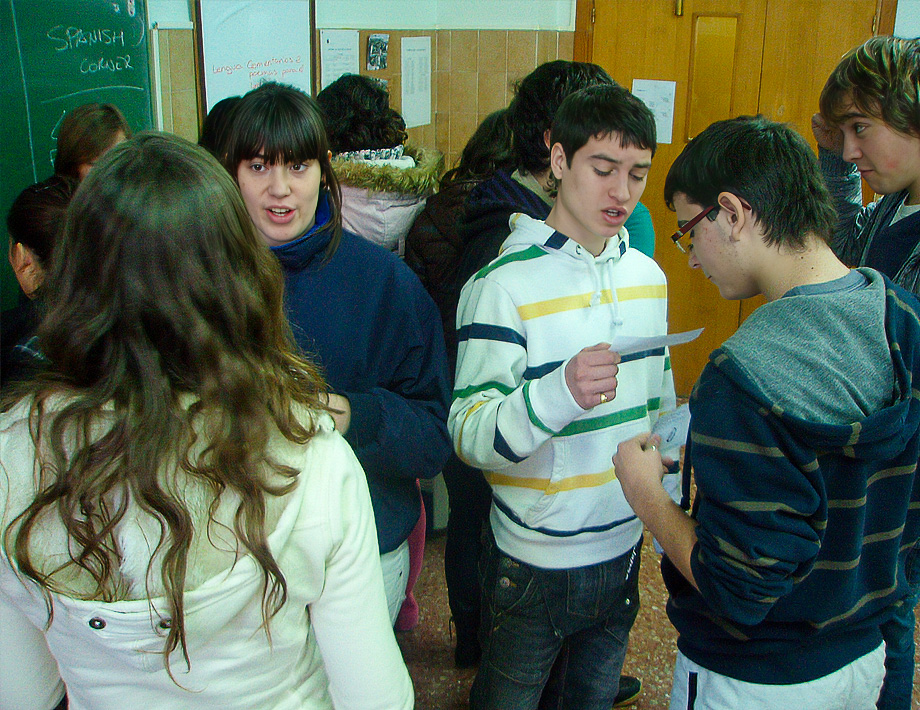
I have been implementing Kagan Structures in my classroom since attending the cooperative workshop in January, and I’ve seen significant growth in my students as a result. These structures have completely changed the way I approach instruction. In the past I was a creature of habit, but now I understand what real collaboration looks like in the classroom and it is proving to show significant growth.
Win-Win Discipline changed my life. I was struggling with my own motivation and frustration. The skills I learned helped me identify student behaviors and make changes to my own style. The strategies of cooperative learning helped me take my instruction from teacher-centered to student-centered.
I have been passionate about Kagan Cooperative Learning since my second year of teaching in 2013, and have strived to share this passion with others. It has been life-changing for me in my classroom—I do not say that lightly. I’ve seen the huge impact on student engagement and success. My students truly each feel confident, included, and want to learn. Kagan has allowed me to build even better relationships with my students, which has such a huge impact on their learning.
One of my favorite memories was about five years ago, when an instructional coach from a district in Missouri came into my classroom to get new ideas to share with her high school mentees. As I often did, I asked my students what structure they thought would fit the activity we were about to do. Without hesitation, several students shared structures they thought would work using an ongoing list we had built together on an anchor chart. She was amazed that students could be so involved in the learning process that they were even given the opportunity to choose the structure to be used. Kagan Cooperative Learning is truly just best practice and should be used in every classroom.
Never in my career have I found a strategy that has been so simple to implement and yielded such immediate results. I appreciate how Kagan Cooperative Learning strategies put students in the driver’s seat of their own education. It’s been a pleasure to see students’ perspectives broadening from hearing other viewpoints—they consider opinions they hadn’t thought of before. I know this helps students build critical thinking skills, as well as empathy and teamwork.
My toughest year as an educator was the 2021–2022 school year, teaching 2nd–8th grade honors classes for the first time, with more preps than I’d ever had. But through consistent Kagan Structure implementation and a strong belief in my students’ ability to excel, my 8th grade regular-level classes consistently performed above the district average on district tests, and the entire 8th grade increased their scores by 13 percentage points.
My classroom management has changed drastically since my first Kagan training. I teach Spanish, and to learn another language you need to interact with others—language acquisition requires collaborating with people who are going through the same process as you, as you become proficient. Kagan’s strategies are a great way for my students to have structured interaction and collaborate as they learn my content.
I have used Kagan Structures for a year and a half, and participation from my students has doubled. They’re more engaged, and there are times they’ll ask to do a specific structure for a lesson, which is amazing. Seeing students passionate about lessons and participating is something I haven’t had in the past—they are taking their education into their own hands and building skills that will carry on for years to come.
The success I’ve had implementing Kagan Structures has been transformative for my Language Arts classroom. The collaborative, interactive nature of these structures has increased student engagement and fostered a positive classroom culture where students feel valued and supported. The Kagan software has been a valuable tool in seamlessly integrating these structures into my lessons, enhancing the overall learning experience for my students.
I think many of us have fallen into the trap of thinking that placing students in groups is, by itself, an effective way to increase engagement and achievement. As well-intentioned as we may be, it usually falls flat, and we’re left frustrated, not knowing where we went wrong. I got so many things right, but the groups would eventually stray off topic or just didn’t mesh well. The beauty of the Kagan strategies I learned was that they were so easy to implement right away—I walked away from the workshop able to start my cooperative groups the very next day. And it was effective with a diverse group of students, many of whom have IEPs and require a wide range of educational supports. It was almost too easy. My interest in Kagan is piqued, and I’d love to learn more.
My students enjoy Kagan strategies. I have seen students who usually keep to themselves begin opening up and sharing with their groups, and I’ve heard from students who typically don’t share. I receive more feedback, and it’s a lot easier to track everyone’s understanding. Students build relationships more quickly and feel comfortable within their teams, which helps the classroom atmosphere and aids me in classroom management.
I have attended several Kagan trainings since summer 2018 and have seen an increase in pass rates on AP Calculus exams. When COVID hit, scores dropped significantly as students weren’t engaged and couldn’t discuss math effectively over Zoom. Since returning to full face-to-face learning, scores have started to climb again with the re-implementation of Kagan Structures.


